Thermoforming vs Cold Forming: Which Blister Packaging Machine Is Right for You?
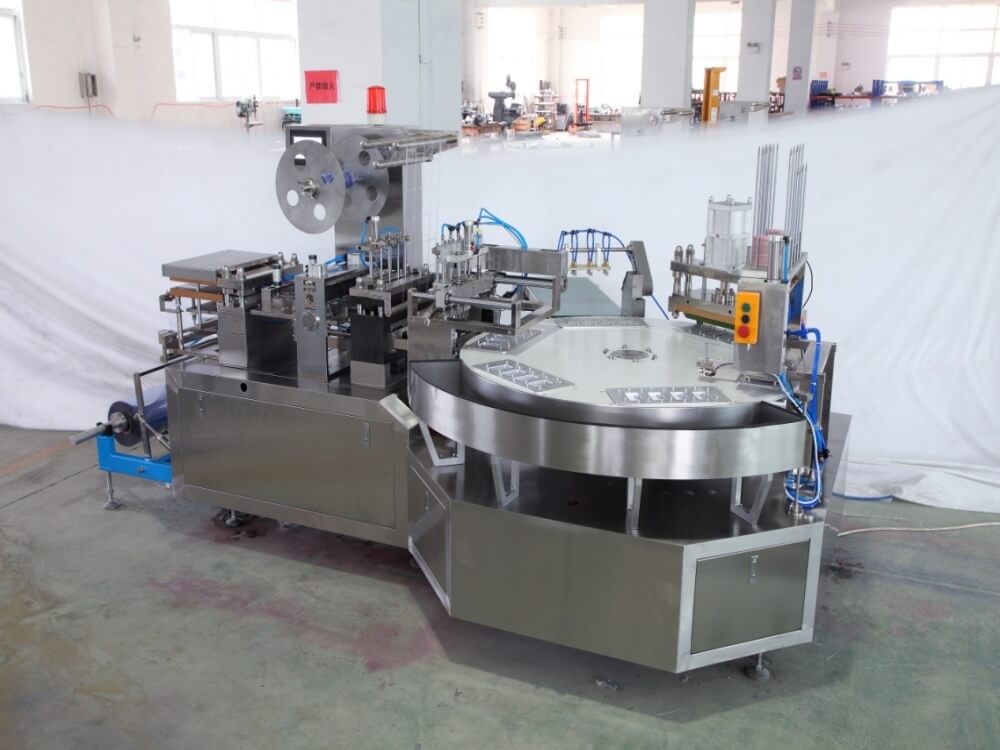
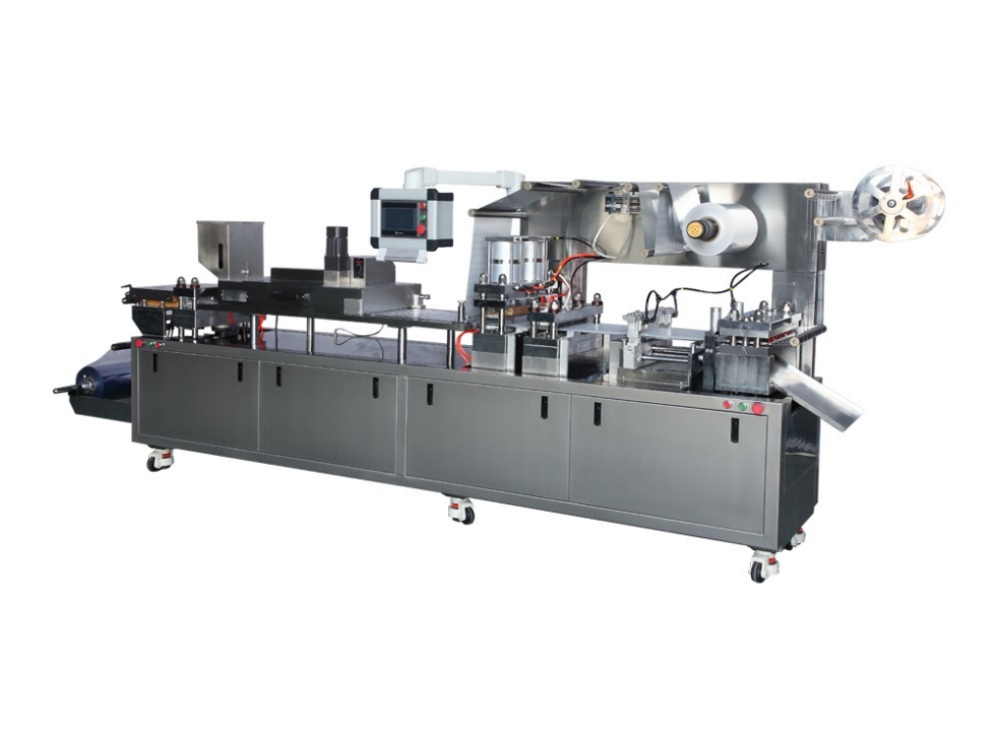
Blister packaging machines are essential in various industries for creating protective and display-friendly packaging. Here’s a comparison and contrast of different types, including their pros and cons:
Uses heat to soften plastic sheets (e.g., PVC, PET), which are then formed over a mold using vacuum or pressure, and sealed with a backing material (e.g., foil, paperboard).
Pros:
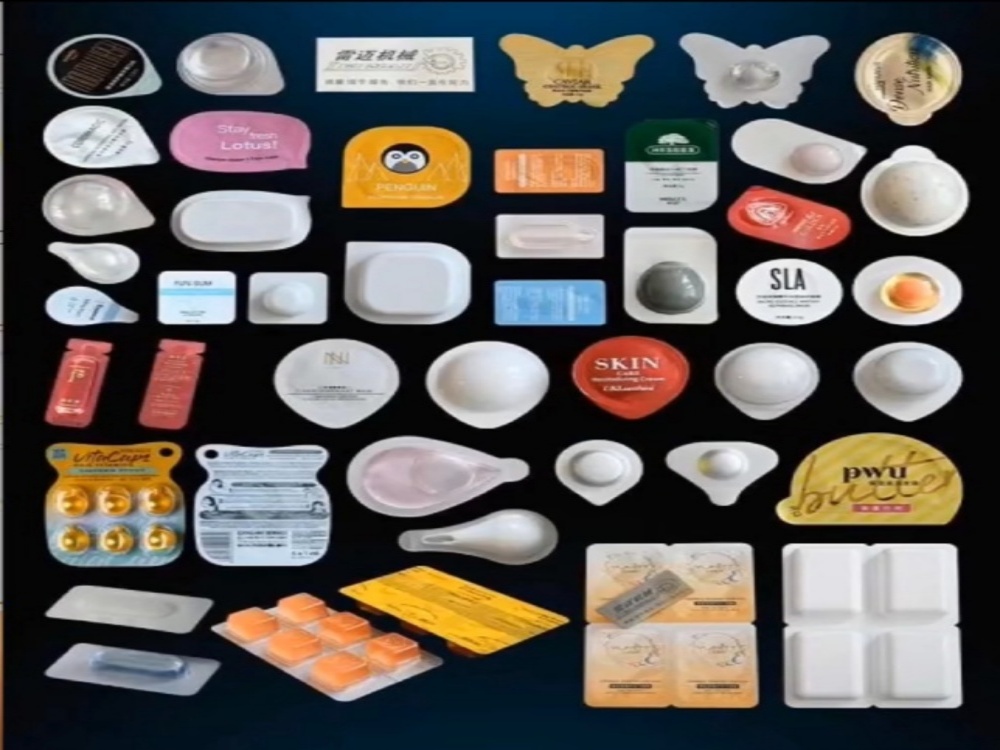
Versatility: Suitable for a wide range of products (food, pharmaceuticals, electronics) and can accommodate various shapes and sizes.
Cost-Effective: Lower initial investment compared to other types, especially for high-volume production.
Fast Production Speed: Capable of high throughput (up to 100+ blisters per minute) with automated systems.
Material Flexibility: Works with multiple plastic materials, including clear films for product visibility.
Sealing Efficiency: Strong seals with consistent quality when properly maintained.
Cons:
Heat Sensitivity: Not ideal for heat-sensitive products (e.g., certain pharmaceuticals) as the process may damage contents.
Energy Consumption: Requires continuous heating, leading to higher energy costs.
Mold Complexity: Custom molds are needed for different product shapes, which can be expensive for low-volume runs.
Limited Barrier Properties: Plastic alone may not provide sufficient moisture, oxygen, or light protection without additional layers.
2. Cold Forming Blister Packaging Machines
Working Principle:
Forms plastic sheets (typically aluminum or plastic-aluminum composites) at room temperature using mechanical pressure, without heat. The formed blister is sealed with a foil or laminate.
Pros:
Heat Protection: Ideal for heat-sensitive products (e.g., pharmaceuticals, electronics) as no heat is applied during forming.
Superior Barrier Properties: Aluminum layers offer excellent protection against moisture, oxygen, light, and tampering.
Puncture Resistance: Stronger than thermoformed blisters, reducing the risk of damage during transport.
Long Shelf Life: Suitable for products requiring extended storage with minimal degradation.
Cons:
Higher Cost: More expensive materials (aluminum composites) and machinery, leading to higher production costs.
Slower Production: Lower throughput (20–50 blisters per minute) compared to thermoforming.
Limited Design Flexibility: Complex shapes are harder to achieve due to the rigidity of aluminum.
Environmental Impact: Aluminum is less recyclable than some plastics, though recyclable options exist.
Conclusion
Thermoforming is best for cost-effective, high-volume production of non-heat-sensitive products.
Cold Forming suits heat-sensitive items requiring superior protection and shelf life.
Contents
Related Products
We are the best manufacturer of Blister Packing and Forming Machine. We can provide professional solutions for you. Please feel free to contact us for a quick quote now!