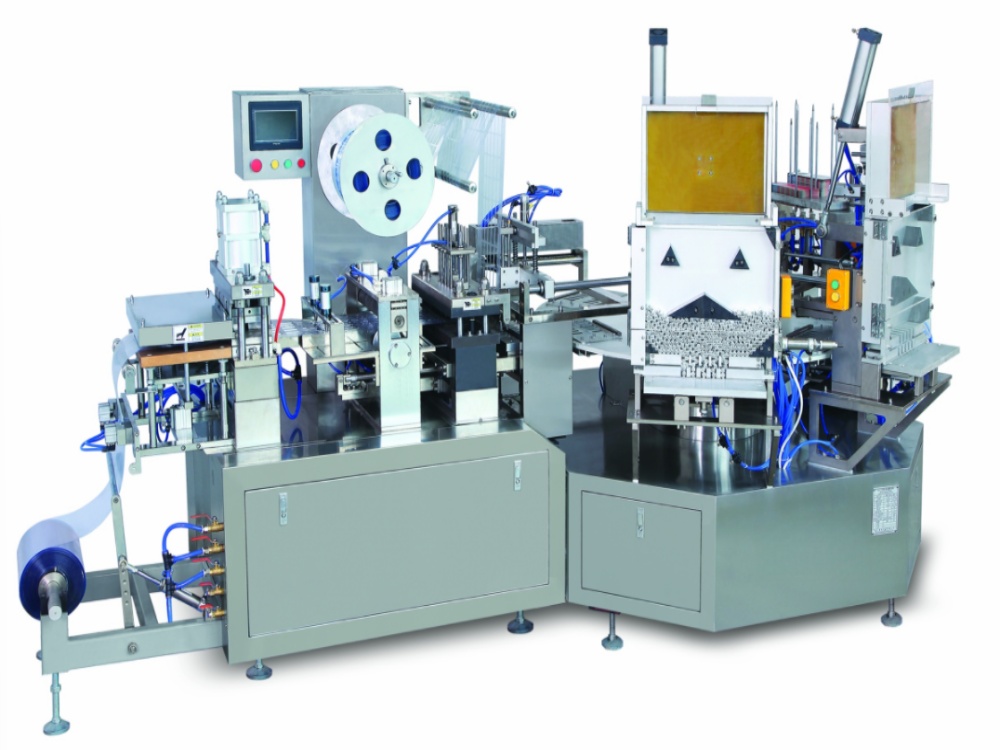
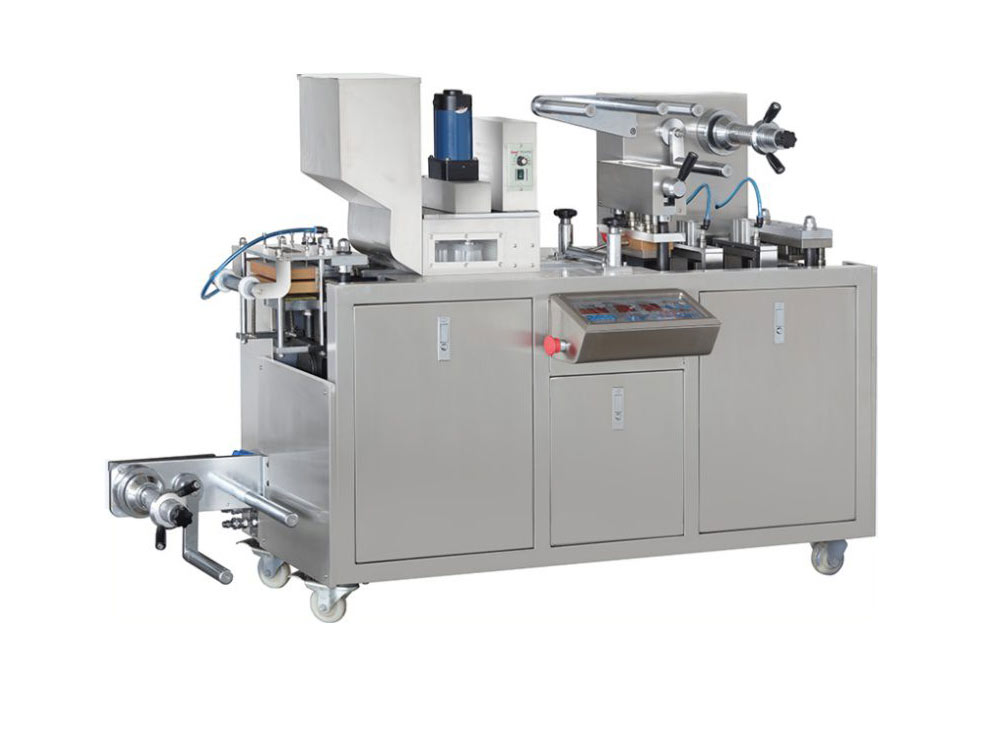
Customised packaging machinery solutions for your products
As the manufacturer of the blister packing machine, we have full series models for your business. Model include DPP180 DPP150 DPP350, etc
We merge proven reliability with forward-thinking innovation to engineer blister packing solutions that not only meet today’s demands but also anticipate the future of your production.
Top engineering team support for providing best solution.
Fastest Response for your any request

Blister Packaging Machine Manufacturer in China since 2007 for providing stable quality blister packaging machine for customers.
We operate specialized workshops to ensure efficient and precise production.
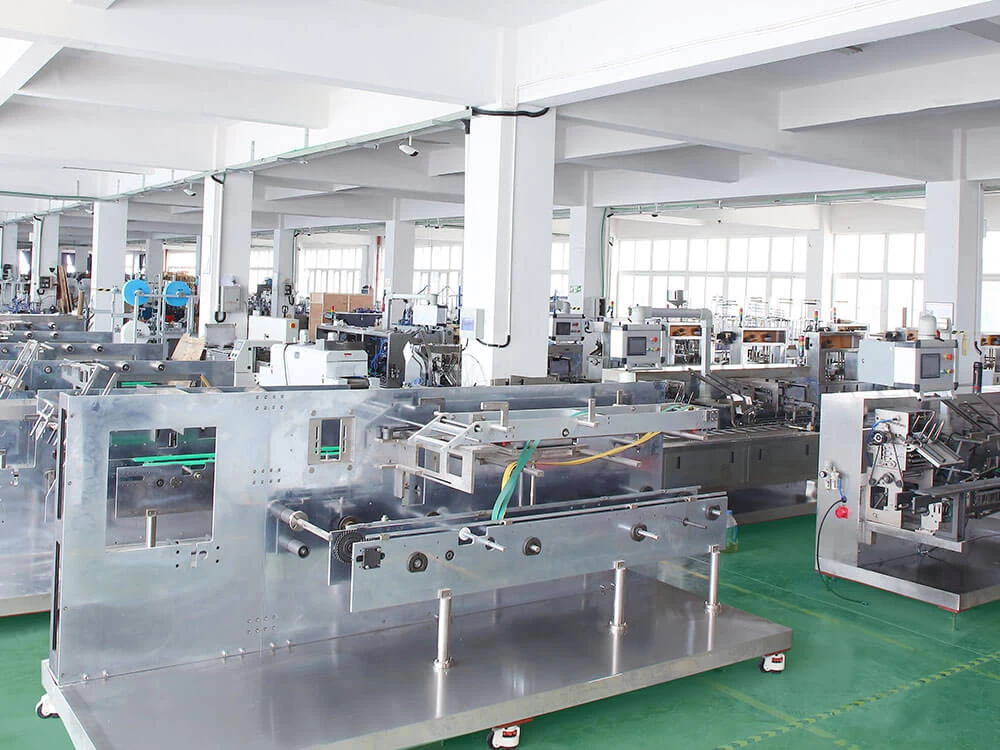
Production line for machine production always running for any order
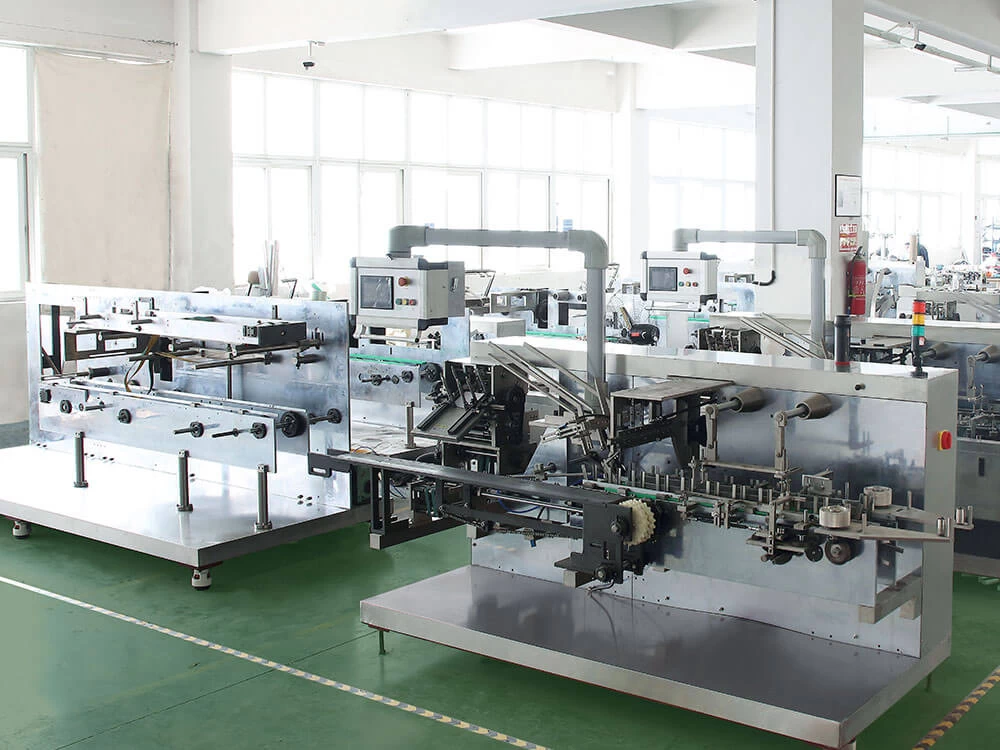
We have engineering team for our machine design and structure
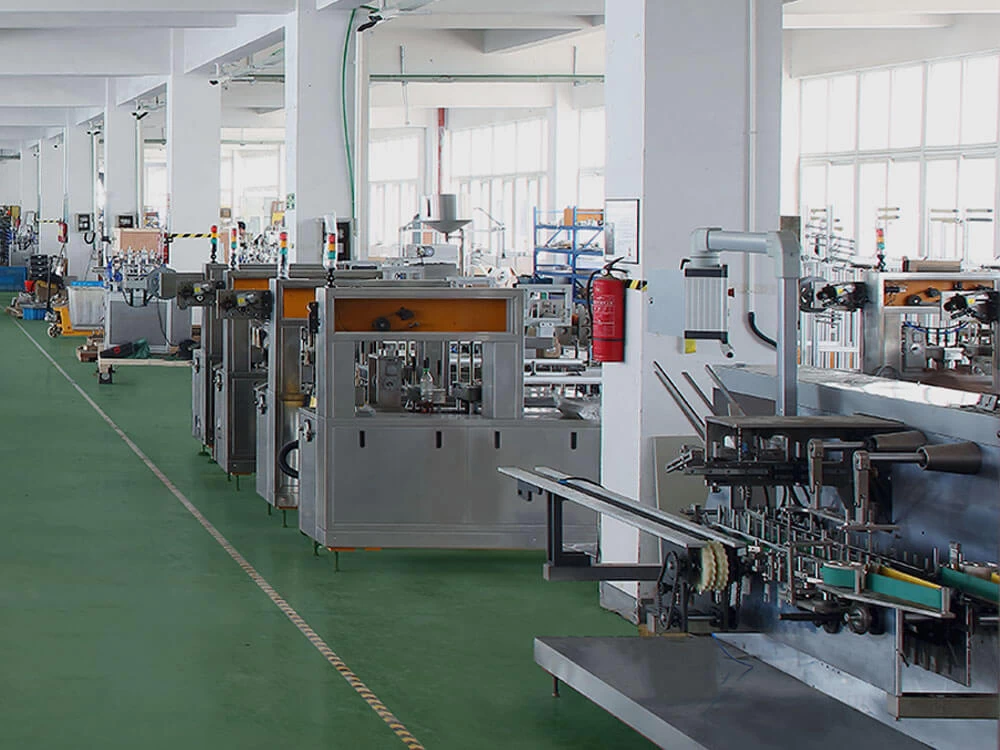
We have enough stock for all models of machine for fast delivery
Exports to 10+ overseas markets (Europe, Singapore, Thailand, etc.)
Used in food, pharma, daily chemicals, chemical, pesticide industries
Increases productivity, reduces energy & operational costs, enhances competitiveness
Low productivity, high energy consumption, and cost issues; trusted by renowned brands, praised for reliability
To be the globally recognized partner for innovative and reliable blister packing solutions that set the industry standard for excellence.
We are dedicated to delivering high-performance blister packing machines and exceptional service that maximizes efficiency and value for our customers worldwide.
Precision in every blister, partnership in every project – your success is the core of our drive.
There are lots of reasons our customers choose us, but I think you will find the reason you choose us.
Founded in 2007 in Wenzhou, YABO is an international packaging machinery manufacturer.
It integrates R&D, manufacturing, marketing and service.
We have a complete manufacturing system and a vast marketing service network.
It has established long-term partnerships with hundreds of domestic brands.


We have been providing our machine to customers for the past 18+ years since our factory estiblished

⚫︎ Specialization: Blister packaging solutions for tablets, capsules & solid pharmaceuticals
⚫︎ Packaging Advantages: Hermetic seal, moisture/pollution-proof, extends drug stability & shelf life
⚫︎ Material Options: Supports aluminium-plastic & aluminium-aluminium materials
⚫︎ Compatibility: Strong equipment adaptability
⚫︎ Standards Compliance: Meets GMP & CE international pharmaceutical packaging standards
⚫︎ Customer Value: Enables efficient, safe & standardized production processes


⚫︎ Specialization: Professional blister packaging for small-dose food items (chocolate, butter, honey, sauces, etc.)
⚫︎ Packaging Benefits: Moisture/breakage-resistant, prevents cross-contamination; extends shelf life, enhances display appeal & consumer trust
⚫︎ Features: Eco-friendly materials, customizable molds; meets retail/portability needs
⚫︎ Compliance: Adheres to food safety regulations (CE certified), fits various automated production lines
⚫︎ Scope: One-stop cosmetic packaging solutions for skincare, color cosmetics, personal care
⚫︎ Formats: blisters – visually appealing & functional
⚫︎ Customization: High-end tailored designs with eco-friendly materials for brand differentiation
⚫︎ Efficiency: Supports automated packaging equipment to boost production speed
⚫︎ Compliance: Meets international cosmetic regulations & follows market trends


⚫︎ Specialization: High-strength, adaptable hardware packaging for screws, slides, hinges & spare parts
⚫︎ Formats: Blisters
⚫︎ Solutions: Prevents bulk mixing & transport damage; improves product display & shipping efficiency
⚫︎ Applications: Retail, wholesale, OEM support
⚫︎ Value: Enhances brand professionalism & market competitiveness
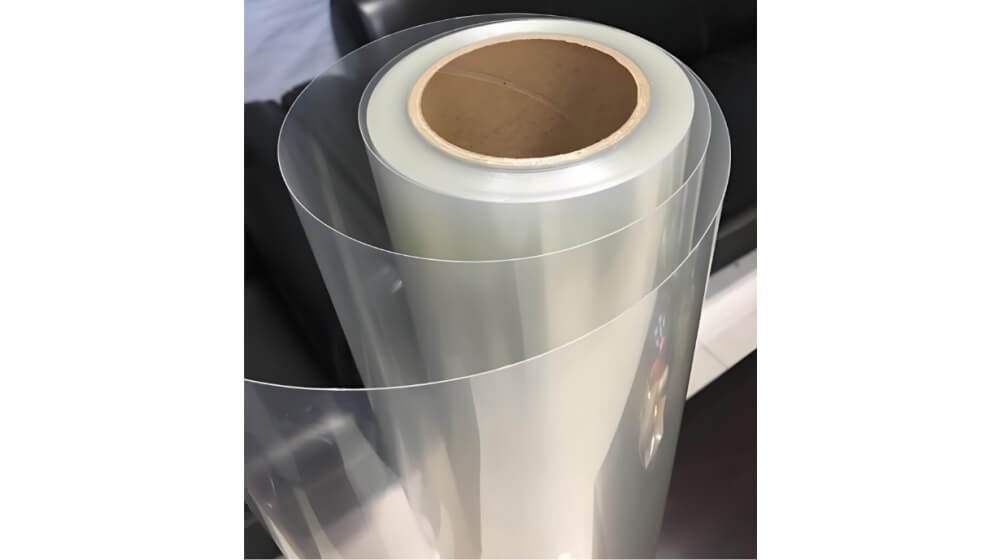
Incomplete PVC forming is one of the most common problems operators may see on a blister packaging machine.
You may notice that the blister cavity is not deep enough, the corners are not fully formed, or some cavities look different from others. Sometimes the problem only appears at high production speed. In other cases, the machine runs normally for a while, and then the forming quality starts to change.
This problem is often blamed on the forming pressure. But in practice, the pressure is only one part of the process.
PVC blister forming depends on several things working together: film temperature, forming pressure, mold design, venting, film tension, cooling, and machine speed.
The key is to find which part of the process has changed.
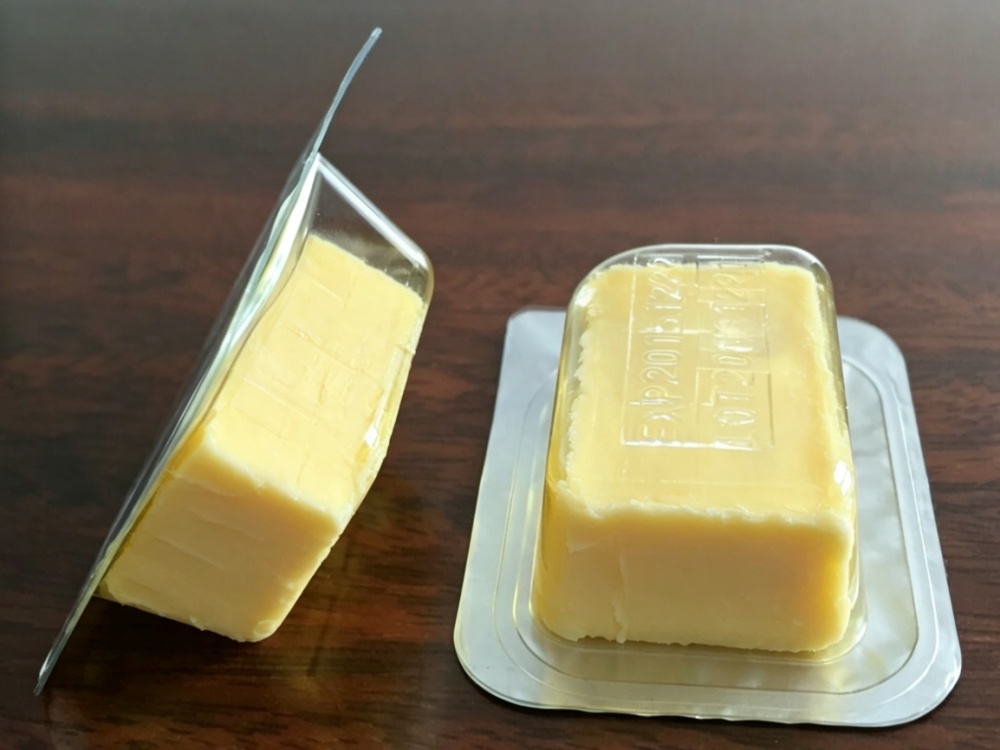
When an Israeli food manufacturer reached out looking for a reliable way to portion 25kg butter blocks into 25g individual packs, they faced a common problem: standard liquid packaging machines simply don’t work for butter. This case study walks through how we identified their unique requirements, overcame technical challenges, and delivered a tailored blister packaging solution that meets their production speed and temperature control needs.
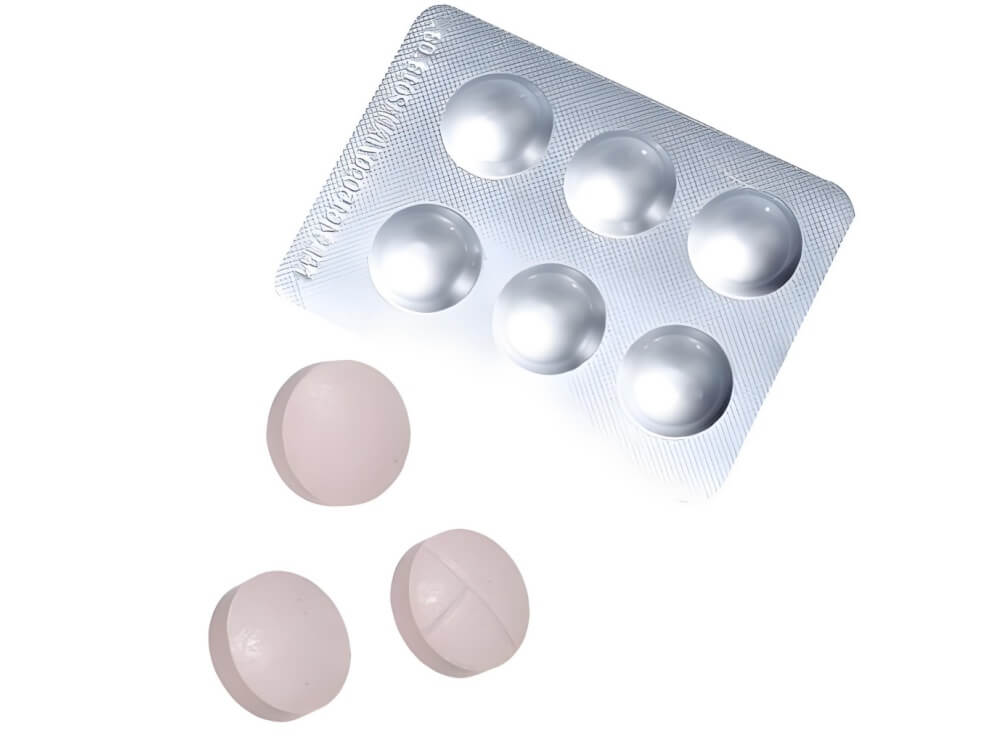
Discover what Alu Alu blister packaging is and why it’s the gold standard for pharmaceutical protection. Learn its structure, benefits over PVC, and the forming process. Perfect for sensitive drugs requiring a 100% moisture and light barrier.
In the pharmaceutical packaging industry, the stability and shelf life of drugs are of utmost importance. With the advancement of pharmaceutical technology, Alu Alu blister packaging (also known as Cold Form Foil, CFF) has become the “gold standard” for protecting highly sensitive drugs.
If you are looking for a packaging solution that provides top-notch barrier performance, or want to understand why your production line needs to shift from traditional PVC to Alu Alu, this guide will offer you a comprehensive and in-depth analysis.
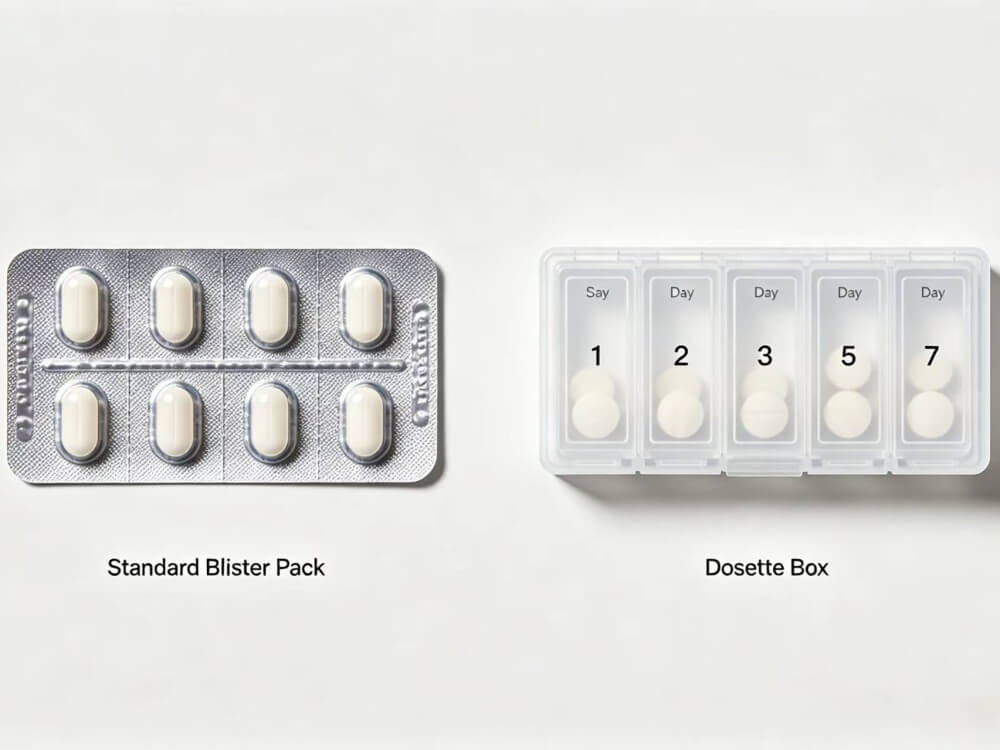
As a small manufacturer or trader, choosing the right packaging method for your products is one of the most crucial decisions you make. Packaging not only protects your products but also affects patient safety, product compliance regulation, production costs, and fundamental interests.
The two most common packaging forms in the medical industry are blister packaging and medicine box packaging. Both of them can help arrange drug use and improve patients’ medication compliance. Their uses are completely different, and they are produced by different processes.
In this guide, we will conduct a detailed analysis of the relevant knowledge points about blister packaging and medicine box packaging, including their main differences, advantages and disadvantages analysis, and ideal application scenarios, as well as how small and medium-sized enterprises can choose the best packaging solution.
View all the knowledge, technology, and news from our blog page
You can get a price of this model or send us any question to get any information you would like to know, we will reply to you soonest.